Pruning Is Necessary: Letting Go to Grow

In gardening, pruning is essential. We cut back dead branches, remove overgrown areas, and shape plants to encourage stronger, healthier growth. But pruning isn’t just for gardens—it’s a vital life lesson. Sometimes, we must cut back what no longer serves us to allow room for new opportunities, personal growth, and success.

1. Letting Go of Bad Habits

Just like dead branches drain energy from a plant, bad habits drain energy from our lives. Whether it’s procrastination, unhealthy routines, or negative self-talk, these habits stunt our growth. By recognizing and cutting them away, we make space for better choices that move us forward.

How to Start Pruning Bad Habits:

  • Identify one habit holding you back.
  • Replace it with a positive action (e.g., swap late-night scrolling for reading or journaling).
  • Stay consistent—small changes lead to big results over time.

2. Removing Negative Influences

In a garden, some plants block sunlight or steal nutrients from others. In life, certain people or environments do the same. If someone constantly discourages you or drains your energy, it might be time to step back.

Ask Yourself:

  • Do the people around me uplift or bring me down?
  • Do I leave certain situations feeling inspired or exhausted?
  • Am I holding onto relationships out of obligation rather than growth?

It doesn’t mean cutting people off harshly, but rather setting boundaries and choosing to surround yourself with positivity and encouragement.

3. Trimming Away Old Ways of Thinking

Our mindset shapes our reality. Holding onto limiting beliefs—such as “I’m not good enough” or “Success is for other people”—keeps us stuck. Just as a tree grows stronger after careful pruning, we grow when we release outdated, self-defeating thoughts.

Ways to Shift Your Mindset:

  • Replace negative thoughts with empowering ones (e.g., “I can’t” → “I’m learning”).
  • Challenge fears by taking small risks outside your comfort zone.
  • Seek out mentors, books, or experiences that expand your perspective.

4. Making Room for Fresh Growth

When you prune a plant, it might look bare for a while—but soon, new, vibrant growth appears. The same happens in life. Letting go may feel uncomfortable at first, but it creates space for better opportunities, stronger relationships, and personal transformation.

Take Action Today:

  • Identify one thing—habit, relationship, or mindset—that no longer serves you.
  • Make a small change to release it.
  • Stay committed to growth and trust the process.

By pruning wisely, we create space for new possibilities, healthier habits, and a brighter future. What’s one thing you need to let go of to grow stronger? 🌱

Plants Hummingbirds Love and Why You Should Plant Them


Hummingbirds are tiny, energetic creatures that bring beauty and life to any garden. If you want to attract these fascinating birds, the best way is by planting flowers rich in nectar. Not only do these plants provide essential food for hummingbirds, but they also enhance your garden’s beauty and support pollinators.

Why Plant for Hummingbirds?

  1. Natural Pollination – Hummingbirds help pollinate flowers as they feed, contributing to a healthier ecosystem.
  2. Pest Control – While nectar is their primary food source, hummingbirds also eat small insects, helping to keep your garden balanced.
  3. Year-Round Beauty – Many hummingbird-friendly plants bloom in bright, eye-catching colors, making your garden a vibrant sanctuary.
  4. Encourage Wildlife – Creating a hummingbird-friendly environment supports biodiversity and brings more life to your outdoor space.

Best Plants to Attract Hummingbirds

1. Bee Balm (Monarda)

A favorite among hummingbirds, bee balm produces bright red, pink, and purple blooms that are rich in nectar. Plus, it’s easy to grow and resistant to deer and rabbits.

2. Salvia (Sage)

Salvia plants, particularly red and purple varieties, produce tubular flowers perfect for hummingbird feeding. They thrive in full sun and well-drained soil.

3. Trumpet Vine (Campsis radicans)

As the name suggests, trumpet vines produce trumpet-shaped flowers that hummingbirds adore. Just be mindful—it can grow aggressively and may need regular pruning.

4. Columbine (Aquilegia)

A spring-blooming plant with delicate, bell-like flowers, columbine provides an early nectar source for hummingbirds just as they begin their migration.

5. Fuchsia

Ideal for hanging baskets, fuchsia plants boast stunning, drooping flowers in bright pink, purple, and red hues—irresistible to hummingbirds.

6. Lupine (Lupinus)

With tall spikes of nectar-rich flowers, lupines not only attract hummingbirds but also add dramatic height to your garden.

7. Cardinal Flower (Lobelia cardinalis)

Named for its striking red color, this native perennial is a top hummingbird magnet and thrives in moist soil conditions.

Tips for Creating a Hummingbird Haven

  • Plant a Variety – Choose flowers that bloom at different times of the year to provide a continuous nectar source.
  • Go Native – Native plants are best adapted to local wildlife and require less maintenance.
  • Avoid Pesticides – Chemicals can be harmful to hummingbirds and other pollinators.
  • Add a Water Source – A shallow birdbath or misting fountain can provide drinking and bathing water.

https://amzn.to/4hGfWSW

Follow the Sun: Choosing the Right Spot for Your Garden

When you’re starting a garden, one of the biggest mistakes you can make is misjudging the sunlight. It might seem like an easy thing to figure out, but sunlight can be tricky, shifting throughout the day and even changing with the seasons. As a beginner, it’s easy to underestimate how much sunlight your plants will need to thrive. This is a mistake that can lead to stunted growth, fewer flowers, and disappointing harvests. The key to a successful garden is to follow the sun.

Why Sunlight Matters

Most edible plants, including vegetables, herbs, and fruits, need sunlight to produce food. Photosynthesis, the process by which plants make their own food, requires energy from the sun. Without enough sunlight, plants can’t perform this vital function properly. As a result, they may become leggy, weak, or fail to produce the crops you’re hoping for.

The general rule of thumb is that most edible plants need at least 6 hours of sunlight a day. Some, like tomatoes, peppers, and melons, prefer more. Others, like leafy greens, can tolerate a bit less. However, the more sunlight your garden gets, the better.

Assessing Sunlight in Your Yard

Before you plant a single seed, take some time to observe how sunlight moves through your yard. Walk around your garden area at different times of the day—morning, noon, and evening—to track how long each spot gets direct sunlight. Take note of areas that are shaded in the morning and shaded in the afternoon. You might be surprised at how much sunlight is available in some areas and how quickly it changes.

You may want to invest in a simple tool like a sunlight meter, or if you’re just getting started, you can make a simple sketch of your garden space and mark where sunlight is present at different times of the day. This is especially helpful if you have tall trees, fences, or buildings nearby that might create shifting shadows throughout the day.

Best Spots for Sunlight

Once you’ve tracked sunlight patterns, choose your garden’s location based on the following principles:

  • Full Sun: A spot that gets at least 6 hours of direct sunlight, preferably in the morning and early afternoon, is ideal for most vegetables, herbs, and fruits. This could be a south-facing spot or an open area without any significant shade.
  • Partial Sun: If a spot only receives around 4–6 hours of sunlight, it’s best for plants that tolerate some shade, such as lettuce, spinach, and certain herbs like mint or cilantro.
  • Shade: If an area is shaded for most of the day, it’s still possible to grow certain plants like leafy greens, which thrive in cooler conditions, but you won’t get a good yield from sun-loving vegetables like tomatoes or peppers.

Don’t Forget About Seasonal Changes

Sunlight patterns aren’t fixed year-round. The sun’s position shifts with the seasons, so what works in the summer might not be the best location in the winter. Be mindful of how the sunlight changes, especially in areas where you might have large trees or structures that can block the sun in the colder months. This is particularly important for perennial plants that will be in the ground for several years.

Experiment and Learn

Gardening is all about trial and error. If your plants aren’t thriving where you initially placed them, don’t be afraid to move them to a sunnier spot. Over time, you’ll become more adept at reading your garden’s sunlight needs and adjust accordingly.

Understanding the role of sunlight is essential for a flourishing garden. By carefully observing how the sun moves through your yard and choosing the best spots for your plants, you’ll give them the best chance to grow strong and healthy. Whether you’re planting your first garden or have a few seasons under your belt, remembering to follow the sun will always help you set up your garden for success.

Valentine’s Day and Seeing Success in Your Garden: A Love Story with Your Plants

Valentine’s Day is a time to celebrate love, and what better way to honor this day than by recognizing the growth and beauty around us, especially in our gardens? Gardens, like relationships, require patience, care, and dedication. And as the season begins to change, there’s no better time to reflect on the love you’ve poured into your garden and the success you’re seeing as a result.

The Love and Care Your Garden Needs

Much like any meaningful relationship, gardening takes time and effort. It’s not just about planting seeds and hoping for the best—it’s about consistently caring for your plants, giving them the right conditions to thrive, and tending to them with love.

  • Prepare Your Soil: Just as we need a solid foundation in relationships, your garden needs nutrient-rich soil. Fertilize, aerate, and ensure that the soil is ready for your plants to grow strong.
  • Water and Feed: Love requires nourishment, and so does your garden. Regular watering and feeding are essential to ensure that your plants have everything they need to flourish.
  • Patience: Growth doesn’t happen overnight. Just like in life and love, you need to be patient and allow time for things to develop. Keep tending to your garden, and over time, you’ll see the fruits of your labor.

Signs of Success in Your Garden

As you work through the season, you’ll start to see signs of success in your garden. Here are a few heartwarming moments to look forward to:

  • First Sprouts: The first little green shoots poking through the soil are a beautiful reminder that all your hard work is paying off. These sprouts symbolize the beginning of something amazing.
  • Blooming Flowers: There’s nothing quite like the joy of seeing your plants bloom. Whether it’s the first flower of the season or a vibrant new crop of veggies, blooming plants signify your garden’s success and your care.
  • Healthy Growth: As your plants continue to grow strong and vibrant, you’ll see the evidence of your efforts. Healthy leaves, sturdy stems, and abundant flowers or fruits are all signs that your garden is thriving.

Love Your Garden, and It Will Love You Back

Much like love itself, gardening is a journey filled with ups and downs. Some days your plants may struggle, and other days, they may soar. But through it all, the key is to remain dedicated and to find joy in the small moments. Success in gardening isn’t always about achieving perfection—it’s about nurturing life and finding beauty in the process.

So, this Valentine’s Day, take a moment to appreciate the success in your garden. Celebrate the growth you’ve witnessed, both in your plants and in your own life. The love you give to your garden is returned in the form of flowers, fresh vegetables, and the joy of seeing life thrive.

Happy Valentine’s Day—may your garden always grow strong, and may the love you cultivate within it bring you endless joy! 🌹🌱

The Farmer’s Almanac: A Timeless Guide for Gardeners and Farmers

For centuries, the Farmer’s Almanac has been a trusted resource for farmers, gardeners, and anyone seeking wisdom about nature, weather, and the changing seasons. Packed with practical advice, planting schedules, long-range weather forecasts, and folklore, this annual publication continues to serve as a guide to living in harmony with the land.

A Brief History

The Farmer’s Almanac was first published in 1818, though similar almanacs have existed for much longer. It was designed to provide weather predictions, agricultural tips, and helpful hints for rural communities. Over time, it has evolved, incorporating modern science while still holding onto its traditional roots.

What’s Inside?

Each edition of the Farmer’s Almanac contains:

  • Long-Range Weather Forecasts – Based on a secret formula, these forecasts help farmers and gardeners plan for the seasons ahead.
  • Planting Calendars – Ideal for those who follow moon cycles and traditional wisdom when planting their crops.
  • Gardening Tips – From pest control to soil care, the almanac offers practical advice for growing a successful garden.
  • Folklore and Natural Remedies – Old-fashioned wisdom about everything from predicting rain to home remedies for common ailments.
  • Astronomical Events – Guides to eclipses, meteor showers, and the best times to observe the night sky.

Why People Still Use It Today

Despite modern technology and advanced weather forecasting, the Farmer’s Almanac remains popular because of its blend of science, tradition, and practical advice. Many gardeners still swear by its planting guides, and weather enthusiasts enjoy comparing its predictions with actual conditions.

How to Use It for Gardening

If you’re a gardener, here are a few ways to make the most of the Farmer’s Almanac:

  1. Check the Frost Dates – Knowing the average first and last frost dates helps you plan your planting schedule.
  2. Follow the Moon Phases – Some believe that planting by the moon leads to better harvests. The almanac provides a detailed lunar planting guide.
  3. Take Note of Weather Patterns – While not always 100% accurate, long-range weather predictions can help you prepare for potential droughts or heavy rains.

The Farmer’s Almanac is more than just a book; it’s a tradition passed down through generations. Whether you’re a serious farmer, a backyard gardener, or simply enjoy seasonal wisdom, it remains a valuable and entertaining resource.

https://amzn.to/4hUAGqF

Stop Buying Blueberries – Grow Your Own for a Never-Ending Supply

Blueberries are more than just a delicious snack. These little berries are packed with antioxidants, vitamins, and fiber that support heart health, brain function, and immune health. However, with the rising costs of fresh produce, buying blueberries frequently can quickly become expensive. Why not skip the store-bought ones and grow your own supply? Not only will you save money, but you’ll also enjoy fresh, chemical-free berries right from your garden.

Why Grow Your Own Blueberries?

Before diving into the specifics of how to grow blueberries, it’s important to know why it’s such a smart move.

  1. Cost Savings: Fresh blueberries can be pricey, especially when buying them regularly. Growing your own blueberries means you can enjoy a constant supply without breaking the bank.
  2. Health Benefits: Homegrown blueberries are free from pesticides and chemicals, giving you a healthier option compared to store-bought varieties.
  3. Beauty in the Garden: Blueberries aren’t just functional—they also enhance the beauty of your garden. In the spring, their white blossoms create a lovely display, while in the fall, their vibrant red foliage adds rich color.

Step 1: Choosing the Right Blueberry Variety

One of the keys to having a continuous supply of blueberries is choosing the right varieties that ripen at different times. By planting a mix of early, mid, and late-season varieties, you can enjoy fresh berries from early summer to late fall.

Early-Season Varieties:

  • Duke: Known for its high yield and firm, flavorful berries.
  • Patriot: Hardy and produces large berries early in the season.

Mid-Season Varieties:

  • Bluecrop: One of the most popular varieties, known for its large, juicy berries.
  • Legacy: Produces sweet berries with a long shelf life, extending the harvest into the late season.

Late-Season Varieties:

  • Elliott: A high-yielding variety that produces berries late into the season.
  • Aurora: Extends the season even further with tart, firm berries that ripen last.

By planting a combination of these varieties, you’ll be able to enjoy blueberries from early summer until fall.

Step 2: Creating the Ideal Growing Conditions

Blueberries are fairly easy to grow, but they do require specific conditions to thrive. Follow these steps to create an environment that promotes healthy growth and a bountiful harvest:

Soil Preparation:

Blueberries require acidic soil with a pH between 4.5 to 5.5. Test your soil with a pH test kit or send it to a local extension service. If necessary, lower the pH by mixing in peat moss, pine needles, or sulfur to increase soil acidity.

Sunlight:

Blueberries need at least 6-8 hours of direct sunlight each day. More sunlight means sweeter, juicier berries, so make sure to plant them in a sunny spot.

Watering:

Blueberries like consistently moist soil. Water deeply once or twice a week, making sure the soil stays evenly moist but not waterlogged. Mulch around the base with pine bark or wood chips to help retain moisture.

Spacing:

Blueberry bushes should be planted 3-4 feet apart to allow for proper growth and air circulation, which helps prevent disease.

Step 3: Propagating Blueberries for a Never-Ending Supply

Once you’ve got your blueberry plants growing, you can propagate new ones to expand your supply. Blueberries can be propagated through cuttings, which is a great way to keep adding plants each year.

How to Propagate Blueberries:

  1. Take Cuttings: In early spring, cut 6-8 inch sections from a healthy blueberry plant. Make sure each cutting has at least 3-4 leaf nodes.
  2. Prepare Cuttings for Rooting: Remove the leaves from the bottom half of each cutting. Optionally, dip the cut end in rooting hormone to promote faster root growth.
  3. Plant the Cuttings: Insert each cutting into a pot with a mix of equal parts peat moss and perlite for good drainage. Water and place the pot in indirect sunlight, keeping the soil moist.
  4. Transplant to Your Garden: After 8-12 weeks, once roots have developed, transplant your new blueberry plants into your garden or containers.

Step 4: Pruning for Continuous Yield

Proper pruning is essential for a healthy blueberry bush and an abundant harvest. Regular pruning encourages new growth and maximizes berry production.

When to Prune:

Prune your blueberry plants in late winter or early spring before new growth begins.

How to Prune:

  • Remove any dead, damaged, or diseased branches.
  • Trim older branches that have stopped producing fruit to encourage new growth.
  • Cut back small, weak branches to improve air circulation and allow more light to reach the plant.

Pruning not only keeps the bushes healthy but also helps ensure a high yield of berries.

Step 5: Protecting Your Blueberries from Birds

Birds love blueberries as much as you do, so you’ll need to protect your crop from these feathered thieves. Here are a few ways to keep them at bay:

  1. Netting: Use bird netting over your bushes during the ripening period to prevent birds from getting to your berries.
  2. Scare Tactics: Hang shiny objects like aluminum foil strips or place wind chimes nearby. The reflections and noise can help scare the birds off.
  3. Bird Feeders: Set up bird feeders away from your blueberries to give birds an alternative food source.

Step 6: Growing Blueberries in Containers for Limited Space

Even if you don’t have a large garden, you can still grow blueberries in containers. They’re perfect for patios, balconies, or smaller spaces.

How to Grow Blueberries in Containers:

  • Choose the Right Pot: Use a pot that’s at least 18-24 inches wide and deep, with good drainage.
  • Soil Mix: Use a mix designed for acid-loving plants, or create your own by combining peat moss, pine bark, and perlite.
  • Water and Fertilize Regularly: Container-grown blueberries require more frequent watering and regular feeding. Use a balanced, slow-release fertilizer made for acid-loving plants in early spring.

Containers also make it easier to move the plants indoors or to a sheltered location during harsh winter months.

Harvesting and Enjoying Your Blueberries

Blueberries are ready for harvest when they are fully blue, plump, and easily pull away from the stem. To ensure the best taste, wait for them to reach peak ripeness. The longer they stay on the bush after turning blue, the sweeter they become.

Store fresh blueberries in the fridge for up to two weeks, or freeze them for long-term storage. Enjoy them fresh, in smoothies, on cereal, or baked into delicious treats.

Growing your own blueberries is a rewarding, cost-effective way to enjoy these nutritious berries year-round. By choosing the right varieties, creating optimal growing conditions, and properly maintaining your plants, you’ll have a steady supply of fresh blueberries to enjoy throughout the season. Plus, with propagation and proper care, you can ensure your blueberry harvest continues to thrive year after year. Say goodbye to expensive store-bought berries and start growing your own today!

Stop Buying Blueberries- Use This Clever Method To Get A Never Ending Supply

3 Tips for Bringing a Puppy Home: Setting Up for Success

Bringing a new puppy into your home is an exciting and rewarding experience, but it also requires preparation. From setting up their space to creating a safe environment, the right steps can help ensure a smooth transition for both you and your new furry friend. Here are three tips to make the process easier—one of which includes a simple yet effective item: a waterproof blanket.

1. Set Up a Comfortable Space

Puppies need their own space where they feel safe, secure, and comfortable. Before bringing your new pup home, designate an area for their bed, food, water, and toys. If possible, create a quiet spot away from high-traffic areas to help them settle in without feeling overwhelmed.

Don’t forget to make this space cozy and inviting with soft bedding and a few familiar items like a blanket or a stuffed toy. A comfortable, consistent space is essential for your puppy to adjust to their new environment.

2. Use a Waterproof Blanket for Easy Cleanup

Accidents are inevitable when bringing a puppy home, whether it’s during potty training or just their playful explorations. One of the best ways to prepare for these situations is by using a waterproof blanket.

Place it on their bed or in their play area to protect furniture and carpets from spills, drool, and accidents. Waterproof blankets are easy to clean and can help minimize stress when your puppy has an “oops” moment. Plus, they’re versatile enough to use during travel or as an extra layer of protection during nap time.

3. Be Patient and Establish a Routine

Puppies thrive on routine. From feeding times to potty breaks, having a consistent schedule helps your puppy understand what to expect. Be patient during the first few days as they adjust to their new home.

Remember, patience is key during this learning period. Praise and reward good behavior, and gently guide them when mistakes happen. Keep their training consistent, and they will begin to feel at ease in their new home.

Bringing a puppy into your home is a joyful occasion, and a little preparation can go a long way in helping them adjust. By setting up a comfortable space, using a waterproof blanket for easy cleanup, and establishing a routine, you’re setting your puppy up for success in their new home. With patience, love, and a few helpful tools, your puppy will quickly become a beloved member of your family.

https://amzn.to/42FeOez

Urban Farming in Detroit: A Story of Resilience and Renewal

Detroit, once known as the heart of the American automotive industry, experienced a steep economic downturn and population decline in the late 20th and early 21st centuries. Many neighborhoods fell into disrepair, and vast areas of the city were left abandoned. But in the face of adversity, Detroit found an unlikely path to renewal: urban farming.

One shining example of this resurgence is the work of Malik Yakini, a passionate advocate for food security, sustainability, and community empowerment. Yakini founded the Detroit Black Community Food Security Network (DBCFSN), a non-profit organization that aims to empower Detroit’s Black community through access to healthy, locally grown food.

Through the efforts of DBCFSN and other community-driven initiatives, vacant lots across Detroit were transformed into vibrant gardens and farms. These urban farming projects not only addressed food insecurity but also nurtured a deeper sense of community resilience, education, and cultural reconnection.

The Power of Urban Farming

Urban farming in Detroit goes beyond growing food; it’s about growing hope and creating a sense of belonging. In a city where vacant lots once stood as symbols of decay, these new green spaces are now symbols of revival. They represent a shift in how residents view their city and their future.

As neighborhoods come together to tend the land, they also tend to one another. Urban farming fosters a sense of community as people collaborate on shared projects. Whether it’s planting vegetables in community gardens or organizing food markets, these efforts help combat the isolation that can come with economic hardship.

Food Security: A Key to Resilience

One of the main goals of Detroit’s urban farming movement is to address food insecurity. Detroit has long struggled with limited access to fresh, healthy food. According to a 2020 report, approximately 1 in 4 Detroit residents live in food deserts, areas where grocery stores are scarce, and access to fresh produce is limited.

Urban farming provides a solution by growing food locally, making it more accessible and affordable. Farms like the DBCFSN’s Oakland Avenue Urban Farm are providing residents with fresh produce, educational programs on nutrition, and the opportunity to learn about sustainable farming practices.

Education and Cultural Reconnection

Urban farming also plays a significant role in reconnecting communities with their cultural roots and history. For many residents, especially those in marginalized neighborhoods, farming provides an opportunity to reconnect with ancestral traditions. Learning to grow food in the same way their ancestors did is an empowering act that helps rebuild a sense of pride and heritage.

Additionally, urban farming creates space for education. Local schools and community centers partner with urban farms to offer educational programs for children and adults alike. From learning how to plant seeds to understanding the science of soil, these hands-on lessons provide invaluable knowledge while encouraging the younger generation to take an active role in the future of their community.

Looking Toward the Future

While the transformation of Detroit’s urban landscape through farming is already impressive, the potential for growth is even greater. As the city continues to rebuild, urban agriculture can play a central role in shaping a healthier, more sustainable future. The community-building aspect of these initiatives is essential for long-term success, as it empowers residents to take ownership of their neighborhoods and their futures.

In the coming years, Detroit could become a national leader in urban farming, offering valuable lessons on how to transform vacant spaces into productive, thriving hubs. With the continued efforts of passionate individuals like Malik Yakini, the city’s future is one where resilience, education, and food security are cultivated—one garden at a time.

Detroit’s story is a powerful testament to the resilience of communities and the transformative power of urban farming. Through initiatives like the Detroit Black Community Food Security Network, the city is not only growing food but also growing its future. The urban farming movement is more than just a solution to food insecurity—it’s a way to build stronger, more connected communities that are ready to face whatever challenges the future holds.

Urban farming is more than an agricultural revolution. It’s a cultural, educational, and social one, proving that even in the most challenging times, there is room for growth—both in the soil and in the spirit of a community.

5 Vegetables You Can Harvest in 30 Days

Gardening can be incredibly rewarding, but not all vegetables take months to grow. If you’re looking for quick results, there are several veggies that you can harvest in as little as 30 days. Whether you’re a seasoned gardener or a beginner, these fast-growing vegetables are perfect for adding to your garden, especially when you’re in the mood for something fresh in a short amount of time.

Here are five vegetables that you can harvest in just 30 days:

1. Radishes

Radishes are one of the fastest-growing vegetables, and they thrive in cooler weather. You can typically harvest radishes in as little as 20 to 30 days, making them perfect for quick satisfaction. Radishes need well-drained soil, a spot with full sunlight, and consistent watering. You can sow them directly in the ground or in containers.

Pro Tip: For the best taste, harvest them when they’re still small—larger radishes can get a bit woody or spicy.

2. Lettuce

Lettuce is another quick grower that’s perfect for beginners. Depending on the variety, some types of lettuce can be ready for harvest in 30 days or less. Leaf lettuce varieties, such as ‘Butterhead’ or ‘Oakleaf,’ are fast-growing and can be cut when the leaves are large enough to eat. Simply trim the outer leaves and let the plant continue to grow for more harvests.

Pro Tip: Plant lettuce in early spring or late fall for the best results, as they thrive in cooler weather.

3. Spinach

Spinach grows quickly and is an excellent vegetable to grow if you’re looking for a nutrient-packed harvest. You can typically harvest spinach in 30 days, especially if you choose fast-growing varieties like ‘Baby’s Leaf.’ Spinach thrives in cooler weather and well-drained, fertile soil.

Pro Tip: For continued growth, pick only the outer leaves, allowing the inner leaves to keep growing.

4. Baby Carrots

While regular carrots take a bit longer to mature, you can harvest baby carrots in as little as 30 days. Baby carrots are smaller and sweeter than their mature counterparts, making them perfect for snacking or adding to salads. Plant the seeds in loose, well-drained soil, and make sure they get plenty of sunlight.

Pro Tip: Thin the seedlings early on to give them room to grow. This ensures that your carrots have enough space to develop fully.

5. Green Onions (Scallions)

Green onions are one of the easiest vegetables to grow, and you can harvest them in about 30 days. They’re great for small spaces, and you don’t need to wait for a full bulb to form. Simply cut the green tops when they reach about 6-8 inches tall, and they’ll continue to grow, giving you multiple harvests.

Pro Tip: Green onions grow well in containers or directly in the garden. You can even regrow them by placing the roots in water for a few days until they start to sprout

These five vegetables are perfect for gardeners looking for fast results. Whether you’re just starting your garden or you’re looking for a quick fix for fresh produce, these veggies will help you enjoy homegrown goodness in just 30 days. Make sure to check the weather and soil conditions to ensure the best growth possible.

The Cracked Pot: Embracing Imperfections and Finding Beauty in Flaws

There’s a story that’s been passed down through generations, known as “The Cracked Pot,” and it’s a powerful reminder that imperfections often bring the most unexpected beauty into our lives.

The Story of the Cracked Pot

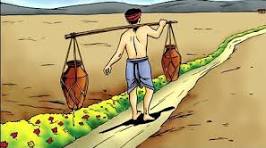
Imagine a farmer with two water-carrying pots. Each day, the farmer uses these pots to fetch water from the stream to nourish his crops. However, one of the pots has a crack, and by the time the farmer returns home, a good portion of the water it carries leaks out. The second pot, on the other hand, is perfect and always delivers its full load of water.

Over time, the cracked pot begins to feel ashamed of its imperfection. It wonders why it cannot be as efficient as the unbroken pot and often feels that it is failing in its task. Every day, it looks at the other pot and wonders why it is “flawed.”

One day, after years of service, the cracked pot finally speaks up to the farmer, apologizing for its imperfection. It says, “I am so sorry. I can’t carry as much water as the other pot. I am not as good as it.”

The farmer listens quietly and then replies, “Have you noticed something beautiful about your imperfection? While you leak water on the side, you’ve allowed flowers to grow along the path. Without your crack, the flowers would not be there. Every day, you’ve nourished the earth with water, and in turn, these beautiful flowers have blossomed.”

Embracing Imperfection

The cracked pot’s story is a reflection of how we often view our own flaws. We are conditioned to strive for perfection, especially in a world where success, wealth, and beauty are often defined by flawless appearances and outcomes. The cracked pot’s insecurity about its imperfection mirrors how many of us feel about our own perceived shortcomings.

But just like the cracked pot, it’s essential to recognize that our imperfections can sometimes be the very things that lead to growth and beauty, both in our lives and in the world around us. While we might strive to improve ourselves and our situations, we also need to accept that there is beauty in vulnerability, mistakes, and flaws.

The Beauty of Flaws

The beauty that bloomed along the cracked pot’s path wasn’t something that could have been planned or predicted. It was a natural result of the pot’s imperfections. This story teaches us that imperfection doesn’t mean failure; it can be a source of unexpected blessings.

We all have cracks—whether they be in our careers, relationships, or our self-image—but it’s these very cracks that can lead to the most profound experiences, growth, and discoveries. Sometimes, what we perceive as weaknesses are actually our greatest strengths, offering opportunities for connection, growth, and innovation that wouldn’t exist without them.

Finding the Beauty in Our Imperfections

Rather than hiding or being ashamed of our flaws, we can learn to embrace them. Here are a few ways to cultivate appreciation for our imperfections:

  1. Shift Your Perspective: Try to see your flaws not as failures, but as opportunities to grow, learn, and improve. What can you discover from them that you might otherwise miss?
  2. Celebrate Your Journey: Every mistake, every imperfection, is part of your story. Celebrate your progress and how far you’ve come, even if you haven’t reached “perfection.”
  3. Use Your Imperfections to Connect: Share your struggles with others, and you’ll likely find that people are drawn to your authenticity. Your imperfections can foster deeper connections and understanding.
  4. Recognize the Beauty of the Unexpected: Just as the flowers grew because of the cracked pot, you may find that your flaws lead to unexpected joys and blessings. Be open to discovering the beauty that can emerge from what you once saw as a limitation.

The cracked pot story is a beautiful reminder that imperfections are not something to be ashamed of but rather to embrace. It’s in our flaws that we often find our most unique qualities and where we discover the hidden potential for growth, beauty, and connection.

So, next time you find yourself feeling like the cracked pot, remember that your imperfections might just be the very thing that makes your journey—and the world around you—more beautiful. Just like the flowers that bloomed along the pot’s path, your flaws may give rise to something more beautiful than you could ever have imagined.